
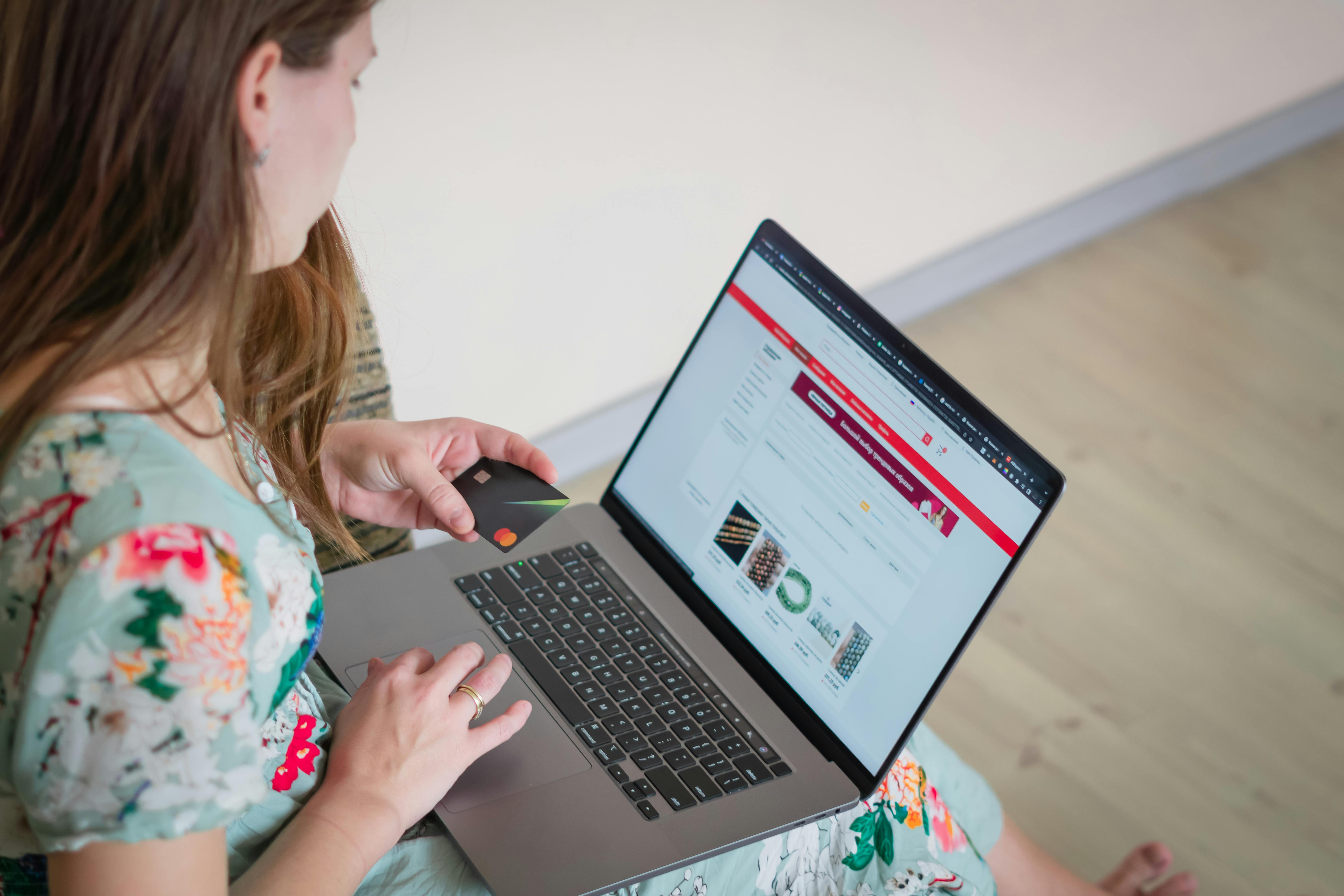
As we navigate 2026, the convergence of live shopping and social commerce isn't just a trend—it's the new frontier for e-commerce, offering unparalleled opportunities for SMEs to boost conversions, enhance customer engagement, and unlock significant profit. Discover the platforms, strategies, and funding insights needed to thrive in this interactive retail revolution.
Introduction to the Topic
Welcome to 2026, where the digital storefront has evolved far beyond static product pages and passive scrolling. The landscape of e-commerce is now vibrant, interactive, and inherently social. At the heart of this transformation lies the powerful synergy of live shopping and social commerce. For Small and Medium-sized Enterprises (SMEs), understanding and mastering this integration isn't merely an option; it's a critical strategy for survival and exponential growth in an increasingly competitive market.
Live shopping, a phenomenon perfected in Asia and rapidly gaining global dominance, brings the immediacy and excitement of in-store retail directly to consumers' screens. Think QVC or HSN, but reimagined for the digital age, hosted by influencers, brand representatives, or even AI-powered avatars, allowing for real-time interaction, demonstrations, and instant purchases. Social commerce, on the other hand, embeds the entire shopping experience within social media platforms, transforming casual browsing into direct purchasing opportunities without ever leaving the app. When these two forces combine, they create an irresistible magnet for consumer attention and, crucially, purchasing intent.
This article will guide SMEs through the intricacies of this integrated approach, highlighting why 2026 is the year to invest, what platforms offer the best ROI, and how to leverage these dynamic channels to not just compete, but dominate your niche. Prepare to unlock unprecedented levels of customer engagement, conversion rates, and ultimately, profit.
Backgrounds & Facts
The trajectory of live shopping and social commerce has been nothing short of meteoric. By 2026, global live shopping sales are projected to exceed $1.5 trillion, with social commerce contributing a significant portion of the overall e-commerce market, potentially reaching over $2 trillion. These aren't just abstract figures; they represent a fundamental shift in consumer behavior and expectations.
The primary drivers behind this surge are multifaceted. Gen Z and Gen Alpha, now wielding substantial purchasing power, are digital natives who prioritize authentic experiences, community, and instant gratification. They are accustomed to consuming content on social platforms and expect seamless transitions from discovery to purchase. Live streams provide that authenticity, allowing brands to tell their story, showcase products in real-time, and engage directly with potential buyers, answering questions and building trust in a way static content simply cannot.
Furthermore, the pandemic accelerated digital adoption across all demographics, pushing even hesitant consumers into the online shopping sphere. Post-pandemic, the desire for human connection and interactive experiences has only grown, making live shopping a natural evolution. Brands that embraced early iterations of social commerce, such as Instagram Shopping or TikTok Shop, reported significant upticks in engagement and conversion rates, often seeing conversion rates for live streams outperform traditional e-commerce by 3-5 times.
However, the rapid growth also presents challenges. The fragmented nature of social platforms, the need for high-quality content production, and the complexity of integrating these channels into existing e-commerce infrastructure can be daunting for SMEs. This is precisely where strategic planning and selecting the right tools become paramount. The goal isn't just to be present, but to be effective, ensuring every dollar invested translates into measurable ROI and sustainable growth.
Expert Opinion / Analysis
“For SMEs in 2026, ignoring integrated live shopping and social commerce is akin to operating without a website a decade ago,” states Dr. Evelyn Reed, a leading e-commerce strategist and consultant for smefundingexperts.com. “The beauty of this trend is its democratizing effect. While large enterprises can pour millions into celebrity endorsements, SMEs can leverage authenticity, niche communities, and micro-influencers to build incredibly loyal customer bases.”
The core advantage for SMEs lies in the direct, personal connection live streams foster. Unlike traditional advertising, live shopping allows for immediate feedback, question-and-answer sessions, and personalized recommendations, mimicking the best aspects of a physical retail experience. This direct interaction significantly reduces the customer acquisition cost (CAC) over time by building stronger relationships and increasing customer lifetime value (CLTV).
From a conversion optimization standpoint, live shopping is a powerhouse. The urgency created by limited-time offers, exclusive discounts during a stream, and the fear of missing out (FOMO) on interactive content drives impulse purchases. Shoppable tags and seamless checkout processes within social platforms remove friction, transforming interest into immediate sales. Furthermore, the data gleaned from live sessions—what questions are asked, what products generate the most interest, who participates—provides invaluable insights for future product development, marketing campaigns, and inventory management.
However, Dr. Reed cautions, “It’s not just about going live. It’s about strategy. SMEs must consider their audience, the platform where their audience is most engaged, and the quality of their content. Authenticity trumps perfection. Consumers want real people, real demonstrations, and real answers, not highly polished, artificial presentations. Investing in proper equipment for good audio and video, and training staff or influencers to be engaging, are non-negotiable.”
For SMEs seeking funding, demonstrating a clear strategy for leveraging these high-conversion channels can significantly strengthen their pitch. Investors are looking for businesses that are forward-thinking, adaptable, and capable of tapping into new revenue streams with high growth potential. A well-articulated plan for integrated live shopping and social commerce showcases an SME’s readiness for the future of retail.
💰 Best Options in Comparison (VERY IMPORTANT)
Navigating the myriad of platforms and tools for integrated live shopping and social commerce can be overwhelming. For SMEs, the key is to choose solutions that offer ease of integration, scalability, robust analytics, and a strong ROI without requiring a massive upfront investment. Here's a comparison of leading options in 2026:
- Dedicated Live Shopping Platforms: These platforms specialize in creating interactive live video commerce experiences that can be embedded on your website or streamed to multiple social channels. They often come with advanced features like multi-host streams, gamification, and detailed analytics.
- Social Media Native Tools: Major social platforms have integrated shoppable features directly into their ecosystems. These are excellent for meeting customers where they already are, leveraging existing follower bases for immediate reach.
- E-commerce Platform Integrations: Many popular e-commerce platforms now offer plugins or native features that allow for live shopping capabilities directly within your digital storefront, providing a more controlled brand experience.
Comparison Table: Top Integrated Live Shopping & Social Commerce Solutions for SMEs in 2026
| Solution Category / Platform | Key Features | Target Audience / Best For | Integration & Complexity | Pricing Model (SME Focus) | Conversion Focus |
|---|---|---|---|---|---|
| Dedicated Platform: Livescale (or similar) | Embeddable player, multi-stream distribution, real-time analytics, gamification, Q&A, instant checkout. | SMEs seeking a professional, branded live shopping experience with deep analytics. | Moderate. Requires some setup for embedding and CRM integration. | Subscription-based, tiered by usage (streams/viewers). Higher cost but comprehensive. | High. Optimized for direct sales, data collection, and customer engagement. |
| Social Native: TikTok Shop / Instagram Shopping | In-app shopping, shoppable live streams, product tags, direct messaging for sales, influencer partnerships. | SMEs with strong social media presence, targeting younger demographics. Excellent for discovery. | Low. Native to the platforms, easy to set up if you have an existing social presence. | Commission-based on sales, potentially free listing. Cost-effective entry point. | Moderate to High. Leverages organic reach and impulse buying. |
| E-commerce Integration: Shopify Live (or App) | Live streaming directly from your Shopify admin, shoppable product overlays, chat, order management integration. | SMEs already on Shopify (or similar e-commerce platforms) wanting to keep customers on their site. | Low to Moderate. Seamless integration with existing store infrastructure. | Often included with platform subscription or affordable app add-on. | High. Full control over the customer journey and branding. |
| Hybrid Solution: Restream (or similar) with Shoppable Links | Multistreaming to various social platforms simultaneously, chat aggregation, custom branding, integrated shoppable links. | SMEs wanting broad reach across multiple platforms without complex dedicated setups. | Moderate. Requires linking social accounts and managing streams. | Subscription-based, tiered by features and streaming hours. Cost-effective for wide distribution. | Moderate. Relies on external links for purchase, but maximizes audience reach. |
When selecting a solution, consider your current e-commerce setup, your target audience's preferred platforms, your budget, and your capacity for content creation. Often, a multi-pronged approach combining a social native strategy with an embedded solution for your website yields the best results.
Outlook & Trends
The evolution of integrated live shopping and social commerce is far from over. Looking ahead to the late 2020s, several exciting trends will further redefine this space:
- Hyper-Personalization via AI: AI will move beyond simple recommendations. Expect AI-powered hosts that can tailor product demonstrations in real-time based on viewer profiles, answer complex questions with nuanced understanding, and even adapt stream content dynamically to maximize engagement and conversion for individual viewers.
- Immersive AR/VR Experiences: Augmented Reality (AR) try-on features are already becoming commonplace, but imagine full Virtual Reality (VR) shopping events where consumers can virtually walk through a brand's digital store, interact with products in 3D, and participate in live fashion shows or product launches within a metaverse environment.
- Metaverse Commerce Integration: The metaverse, while still nascent, will become a significant channel for experiential retail. Brands will host persistent virtual storefronts and live shopping events within metaverse platforms, offering exclusive digital products (NFTs) alongside physical goods, blurring the lines between digital and physical ownership.
- Creator Economy 2.0: The role of influencers will deepen. We'll see more sophisticated partnerships, with creators co-designing products or even becoming brand co-owners, leveraging their authentic communities for highly effective shoppable content. Micro- and nano-influencers will continue to offer exceptional ROI for SMEs.
- Sustainability and Transparency: Consumers, especially younger generations, demand transparency. Live streams will be used to showcase sustainable practices, ethical sourcing, and supply chain journeys, allowing brands to build trust and differentiate themselves through authentic storytelling.
- Advanced Retail Media Networks: Social platforms will evolve their retail media offerings, allowing brands to bid for prime placement within live streams and shoppable feeds, creating a new layer of advertising opportunity and competition.
These trends underscore the importance of agility and continuous learning for SMEs. Staying ahead means not just adopting current best practices, but also experimenting with emerging technologies and continuously optimizing your strategy based on data.
Conclusion
The integrated live shopping and social commerce landscape in 2026 is a vibrant, high-stakes arena, but one brimming with immense potential for SMEs. It offers a powerful antidote to declining organic reach and escalating advertising costs by fostering genuine connection, driving immediate conversions, and providing invaluable customer insights. The days of passive e-commerce are over; interactive, engaging, and shoppable content is the new standard.
To truly capitalize on this gold rush, SMEs must embark on a strategic journey. Start by understanding your audience and selecting the platforms where they are most engaged. Invest in quality content and authentic storytelling, leveraging the power of micro-influencers and your own brand ambassadors. Most importantly, integrate your efforts seamlessly across your digital ecosystem, ensuring a frictionless path from discovery to purchase.
For those looking to accelerate their adoption of these transformative technologies, exploring dedicated funding options tailored for e-commerce innovation is a wise move. The ROI potential, in terms of increased sales, enhanced brand loyalty, and reduced customer acquisition costs, makes this a smart investment for any forward-thinking SME. Don't just watch the future of retail unfold; actively shape your place within it. The time to act is now – your profits depend on it.